Tiered Reward Frameworks Reshaping Retention Patterns Across Digital Slot Environments
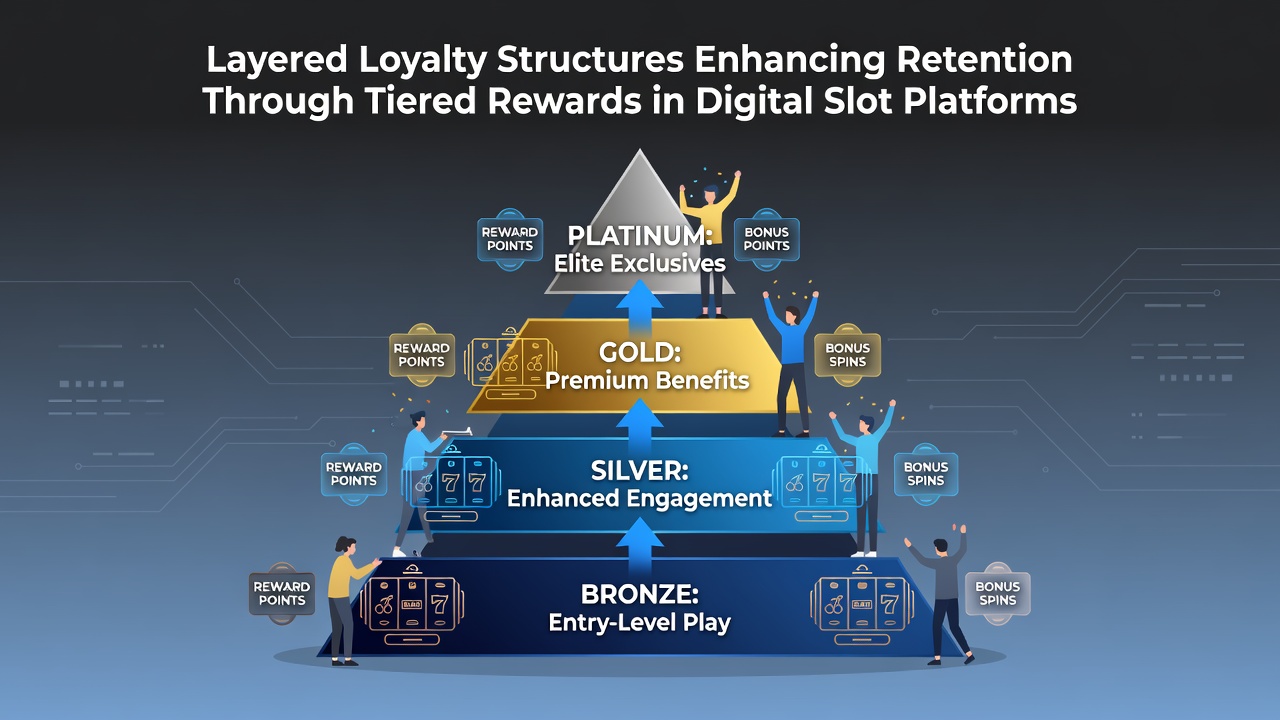
Digital slot platforms have adopted layered loyalty structures that organize player rewards into multiple tiers, each granting escalating benefits based on accumulated activity and spend, and these systems connect directly to retention metrics tracked across operator databases. Research from industry analysts indicates that platforms implementing such frameworks report higher repeat login rates, while data from the American Gaming Association shows structured reward layers correlate with extended session durations in online environments.
Operators typically divide tiers into categories such as entry-level, intermediate, and premium, where progression depends on points earned through wagers, deposits, or specific game interactions. Players advance when thresholds are met, unlocking benefits including increased cashback percentages, exclusive bonus rounds, or faster withdrawal processing, and this mechanic encourages consistent participation because each tier builds upon the previous one with compounded advantages.
Mechanics Behind Tier Progression and Point Accumulation
Point systems operate on transparent formulas that convert betting volume into loyalty currency, with many platforms resetting or carrying over balances at fixed intervals to maintain momentum. Observers note that clear communication of these rules through in-app dashboards helps users track their status, which in turn supports sustained engagement since participants understand exactly what actions lead to the next level. According to reports compiled by the Nevada Gaming Control Board, operators in regulated markets have refined these formulas to balance accessibility for new users with exclusivity for long-term participants, resulting in measurable lifts in account activity during promotional windows.
Seasonal adjustments often appear in June cycles, when platforms introduce accelerated earning periods or limited-time tier boosts tied to specific slot titles, and such timed events align with broader industry patterns of heightened summer traffic. Figures from Canadian regulatory filings reveal similar timing strategies in provincial online gaming markets, where mid-year promotions tied to loyalty tiers have produced documented increases in player retention rates through the third quarter.
Retention Outcomes Linked to Multi-Level Incentives
Data indicates that tiered structures reduce churn by creating visible pathways for continued participation, as users who reach higher levels receive rewards that feel personalized and progressively valuable. A study conducted through the University of Nevada, Las Vegas gaming research division found that players enrolled in layered programs demonstrated longer platform tenure compared to those in flat reward models, with retention curves showing steady improvement after the first three months of tier advancement. Platforms integrate these systems with game libraries so that specific slot mechanics, such as bonus features or progressive elements, contribute additional points, thereby linking entertainment directly to loyalty growth.
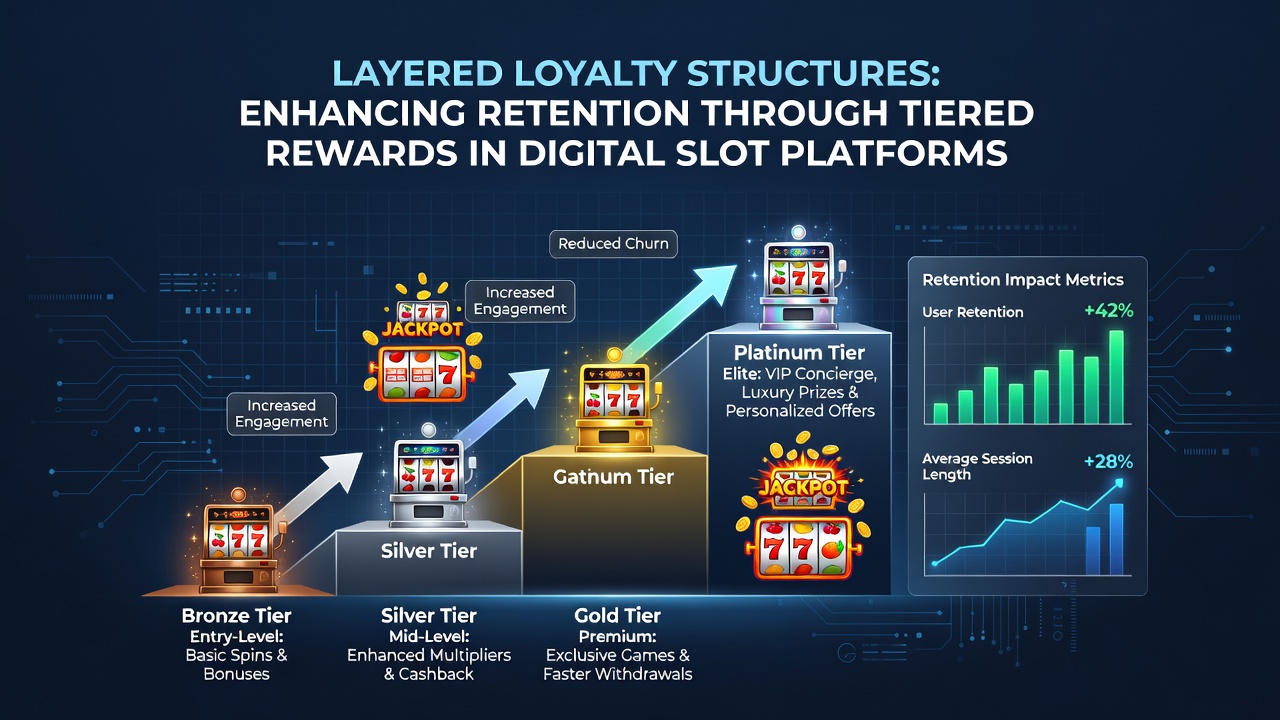
What's interesting is how operators segment communications around tier milestones, sending targeted notifications when users approach the next threshold, which reinforces behavior without requiring constant manual checking. Research indicates that such nudges, when combined with achievable short-term goals within each tier, help maintain engagement across diverse player segments including casual participants and higher-volume users.
Integration With Platform Features and External Data
Layered loyalty programs frequently connect to broader platform tools such as personalized game recommendations and real-time progress trackers, allowing users to see how their activity feeds into future rewards. Reports from the Australian Communications and Media Authority highlight that similar tiered approaches in digital entertainment sectors have produced comparable retention effects when rewards are clearly tied to user behavior patterns. And platforms that update tier benefits based on aggregated anonymized data tend to keep structures responsive to shifting player preferences over time.
External linkages appear in some markets where loyalty data informs responsible gaming features, such as automated limit suggestions once certain tier thresholds are crossed, and these integrations draw from guidelines issued by bodies like the Ontario Lottery and Gaming Corporation. Observers have documented that transparent data usage in this context supports both retention and compliance objectives without creating additional friction for participants.
Conclusion
Layered loyalty structures continue to evolve as operators refine tier criteria and reward delivery based on performance analytics from multiple jurisdictions. Evidence from regulatory and academic sources demonstrates consistent associations between multi-level reward designs and improved retention indicators across digital slot platforms, while ongoing adjustments around seasonal periods such as June maintain relevance for active user bases. These systems function through clear progression mechanics that link everyday platform use to tangible, escalating benefits, creating a framework that operators adjust as market data accumulates.