Symbol Clusters Powering Engagement in Mobile Progressive Jackpots via Flexible Funding Pathways
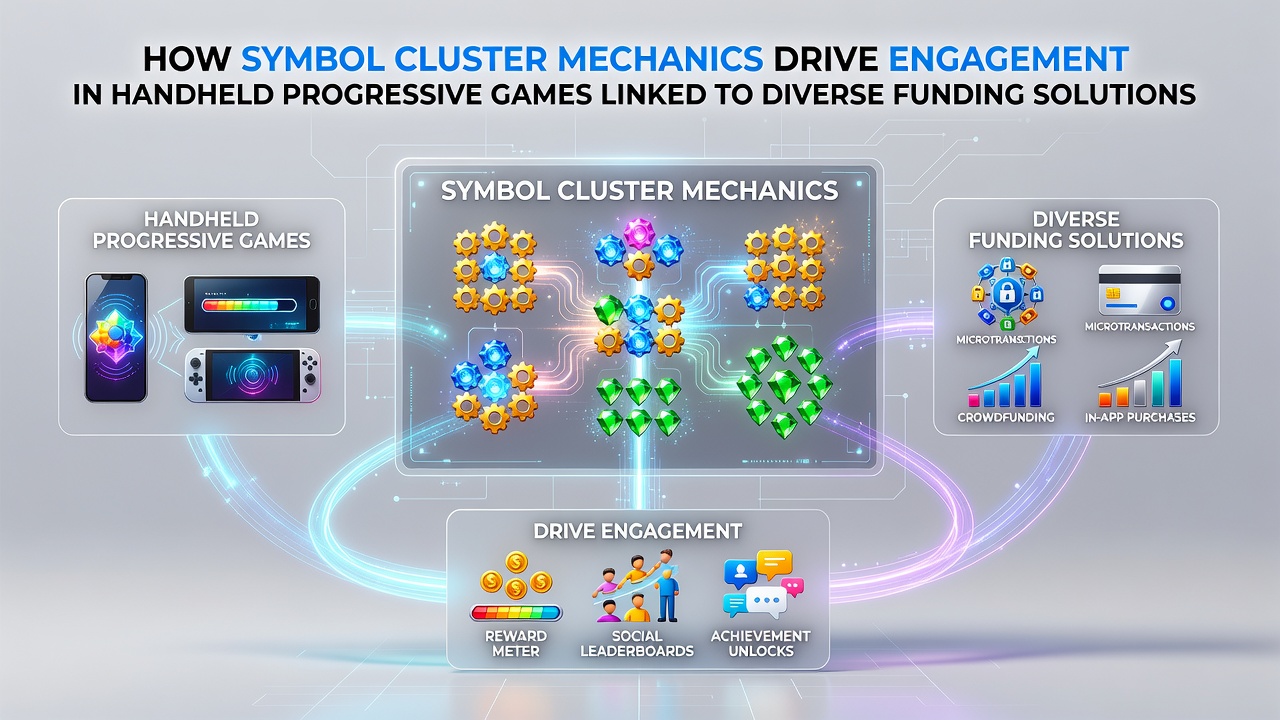
Symbol cluster mechanics have reshaped how players interact with progressive jackpot games on handheld devices, replacing traditional paylines with grouped symbol formations that trigger cascades and multiplier chains, while diverse funding solutions reduce barriers to entry and sustain longer play sessions. Data from industry reports released in July 2026 indicate that cluster-based systems appear in an increasing share of mobile progressive titles, correlating with higher session durations across multiple operator platforms.
Mechanics Behind Cluster Formations
Cluster pays operate through adjacent symbol groupings that remove matching icons and allow new symbols to fall into place, creating repeated win opportunities within a single spin. Researchers at the University of Nevada, Las Vegas documented these patterns in a 2025 analysis of mobile slot interfaces, noting that cascade sequences extend average spin times by connecting multiple payout events without requiring additional wagers. Progressive jackpots tie into these sequences when specific cluster thresholds activate meter contributions, linking immediate cluster rewards to accumulating prize pools that grow across networked devices.
Observers note that handheld screens accommodate cluster grids more fluidly than fixed payline layouts because touch interfaces support quick symbol identification and chain reactions. In July 2026 figures compiled by the Nevada Gaming Control Board, mobile progressive titles featuring cluster mechanics accounted for measurable portions of total handle, with engagement metrics showing elevated repeat visits compared to earlier reel formats.
Progressive Jackpots and Handheld Accessibility
Progressive structures accumulate contributions from every qualifying bet across connected games, and cluster mechanics amplify visibility of these growing meters by displaying incremental wins that feed back into the jackpot pool. Players encounter these systems through apps that maintain persistent connections, allowing progress to carry across sessions when funding methods permit seamless top-ups. Industry organizations such as the Canadian Gaming Association have tracked how mobile progressives with cluster elements maintain player attention through visible meter climbs that coincide with cascade bonuses.
Integration of Diverse Funding Solutions
Funding pathways now encompass instant bank transfers, digital wallets, and prepaid options that integrate directly with game clients, minimizing interruptions between cluster-triggered wins and continued play. When players access progressive meters via one-tap deposits, session continuity increases because cluster cascades can resume without leaving the interface. Reports from Gambling Research Australia highlight that operators offering multiple funding channels alongside cluster-based progressives record higher conversion rates from demo modes to funded play, as reduced friction supports sustained engagement with jackpot features.
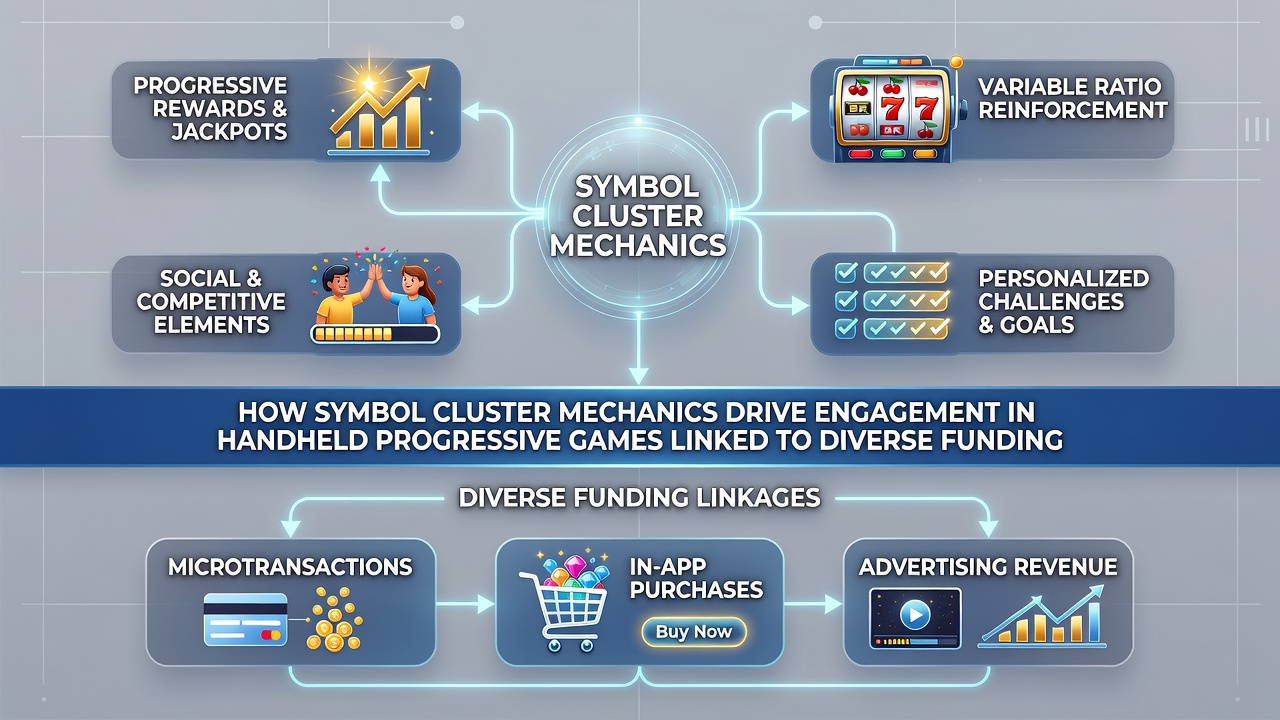
Payment integrations also influence how cluster bonuses interact with jackpot contributions, since certain funding methods qualify bets for meter growth at different thresholds. Data indicates that e-wallet users in particular maintain longer sequences of cluster-triggered spins, as quick confirmations align with the rapid pace of cascading symbols. Those monitoring platform analytics observe that diverse funding reduces drop-off points where players might otherwise exit during jackpot accumulation phases.
Engagement Patterns Across Platforms
Studies examining player behavior reveal that cluster mechanics paired with progressive elements generate distinct retention curves, with peaks occurring after multi-symbol cascades that feed visible meter increases. Handheld games benefit from responsive design that highlights these moments through animations and sound cues, sustaining attention during funding transitions. In July 2026 industry summaries, titles combining clusters and progressives demonstrated consistent month-over-month growth in active accounts when supported by varied payment options.
Take one operator network that implemented clustered progressive titles alongside instant funding APIs, where session length metrics rose steadily as players moved from initial deposits through repeated cascade sequences. Such examples illustrate how mechanical design and payment flexibility operate together, though outcomes vary by region and regulatory framework.
Conclusion
Symbol cluster mechanics continue to influence engagement metrics in handheld progressive games by generating extended win sequences that connect directly to jackpot accumulation, while diverse funding solutions maintain momentum through reduced transaction delays. Available data from July 2026 and earlier reports underscore measurable associations between these elements across multiple markets, with cluster formations and flexible payments appearing together in titles that sustain player activity over repeated sessions. Future platform developments will likely build on these observed patterns as operators refine interfaces and payment integrations to align with documented player behaviors.