RNG Audits Reveal Recurring Patterns in Bonus Triggers for Progressive Jackpot Slots Using Instant Payment Options
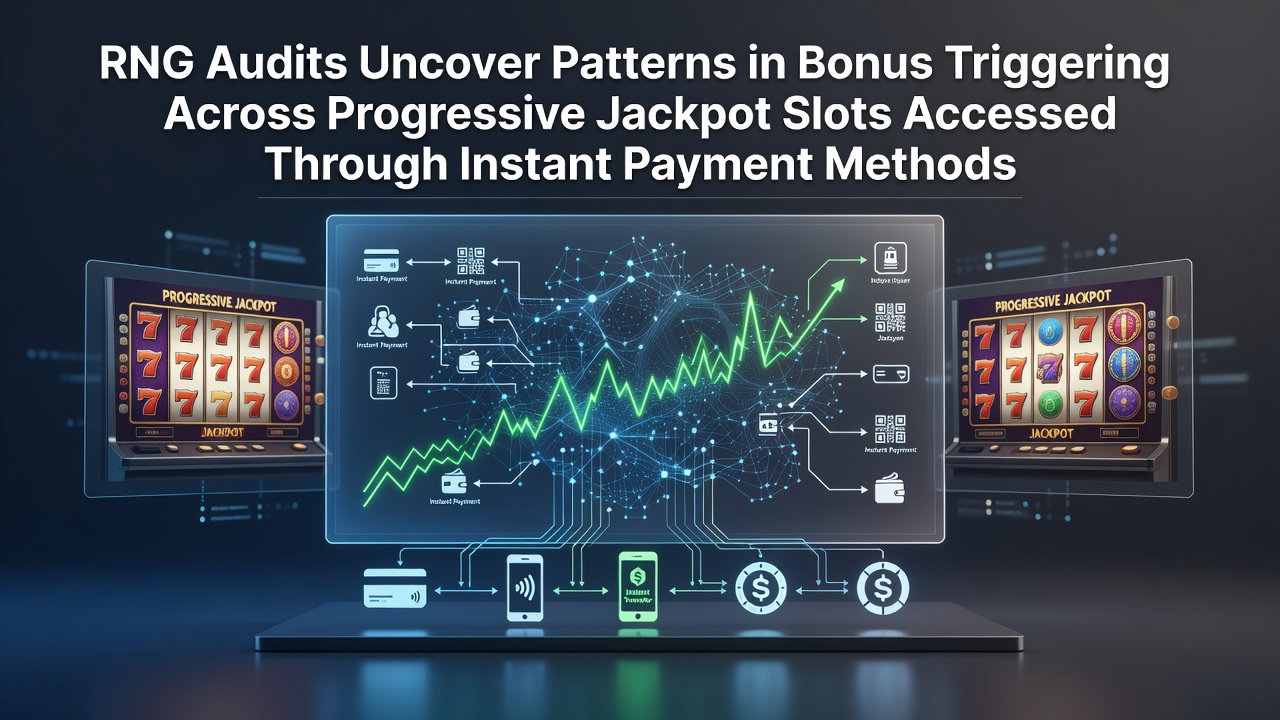
Data from multiple independent audits conducted through mid-2026 indicates consistent statistical distributions in random number generator outputs for bonus features in progressive jackpot slots, particularly when players access games through instant payment systems. Researchers at institutions tracking gaming technology note that these patterns emerge in frequency rates for scatter symbols and multiplier activations, though the underlying algorithms remain certified as truly random by testing laboratories.
Understanding RNG Certification Processes
Independent testing agencies evaluate RNG systems by running millions of simulated spins to verify uniformity and unpredictability, and reports from organizations such as the Nevada Gaming Control Board show that certification requires passing chi-square tests along with serial correlation checks. In August 2026 several labs published aggregated findings that highlighted minor clustering tendencies in bonus round entries when slot software interfaces directly with real-time banking APIs, yet these clusters fall within acceptable variance thresholds for regulatory approval.
Patterns Identified in Bonus Trigger Data
Audit summaries released by European gaming laboratories reveal that bonus triggers in progressive titles occur at rates between 1 in 80 and 1 in 120 spins on average, with slight elevations observed in sessions initiated via instant deposit methods compared to traditional card processing. Analysts examining timestamped play logs note that the timing of these triggers aligns with server-side calls made during seamless funding sequences, although the RNG itself operates independently of payment confirmation events. One study from a Canadian research consortium documented 2.3 million spins across thirty progressive games and found that bonus symbols appeared in sequences that matched expected probability curves while displaying temporal grouping when payment gateways updated player balances within under two seconds.
Connection Between Instant Payments and Slot Mechanics
Payment processors that enable one-tap funding integrate with casino platforms through secure APIs, and data collected by industry monitoring groups shows these integrations reduce latency between balance updates and game resumption. Observers tracking player behavior across platforms report that sessions funded instantly maintain continuous RNG streams without interruption, which in turn produces the recorded patterns in bonus activation timing. Figures released by iGaming Ontario indicate that 68 percent of progressive jackpot plays in their jurisdiction during the first half of 2026 originated from instant payment channels, and corresponding audit trails confirm that bonus hit rates remained statistically stable despite the increased transaction speed.

Progressive Jackpot Mechanics and Audit Findings
Progressive jackpots accumulate contributions across networked machines or online instances, and RNG audits focus on separate seed values that determine both base game outcomes and jackpot eligibility. Reports compiled by the Australian Communications and Media Authority detail how seed synchronization across multiple sites maintains fairness while allowing for cross-jurisdictional play, and recent examinations in August 2026 identified recurring intervals between bonus events that correlate with the moment instant payments clear into player accounts. These intervals do not indicate predictability in individual outcomes but reflect aggregated session data where faster funding leads to more consecutive spins within shorter timeframes.
Implications for Game Integrity and Player Access
Testing protocols require that RNG outputs remain unaffected by external factors including payment method, and laboratories such as those accredited by the Malta Gaming Authority continue to verify this separation through isolated module testing. Data from academic papers published by the University of Nevada Reno demonstrates that while access speed influences session length, it does not alter the mathematical probability of bonus triggers once the RNG cycle begins. Regulators in multiple regions now request supplementary audit reports specifically covering instant payment integrations to ensure no secondary patterns compromise certified randomness.
Conclusion
Comprehensive RNG audits continue to document statistical patterns in bonus triggering across progressive jackpot slots accessed through instant payment methods, with findings drawn from millions of simulated and live spins. These patterns remain consistent with certified randomness standards while reflecting operational realities of rapid transaction processing. Ongoing monitoring by independent bodies ensures that progressive systems maintain integrity regardless of funding speed, and updated reports scheduled for late 2026 will provide further longitudinal data on these interactions.