Mapping Synergies Between Cryptocurrency Transfers and Progressive Prize Accumulation in Portable Gaming Environments
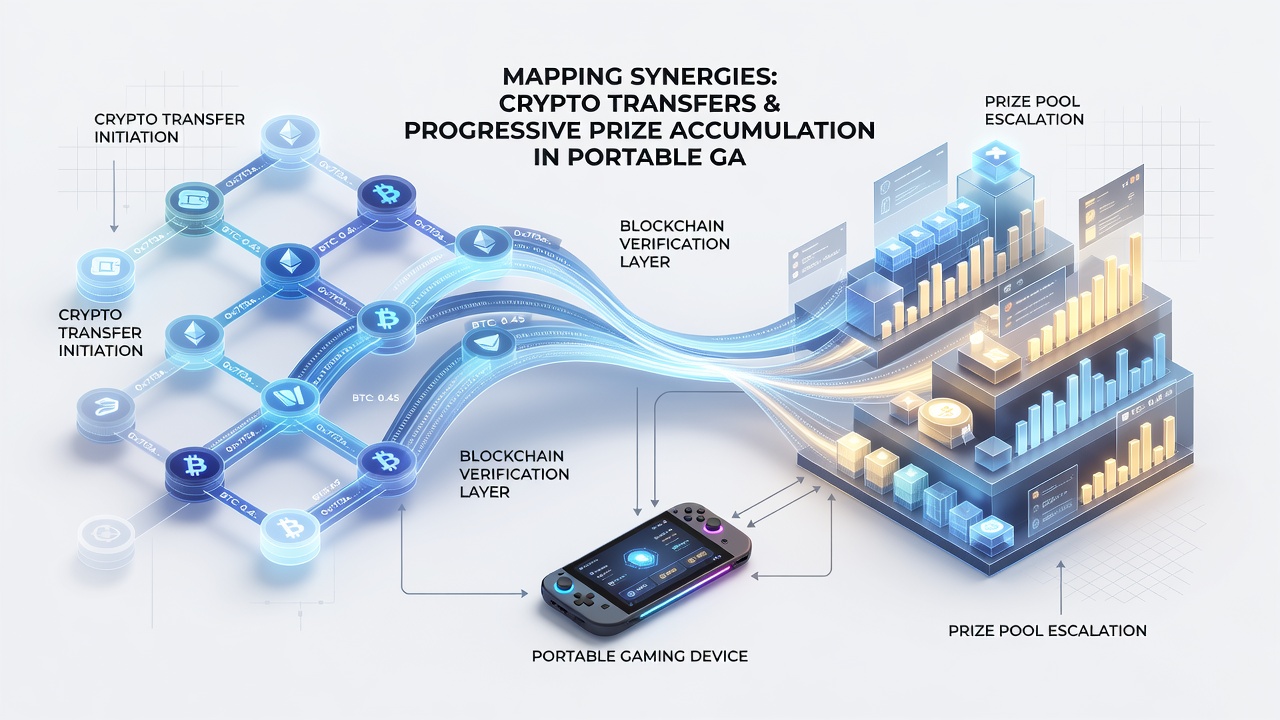
Portable gaming environments have incorporated cryptocurrency transfers as a mechanism to support progressive prize accumulation, where contributions from multiple participants build shared reward pools accessible across mobile devices and tablets. Data indicates that these systems rely on blockchain networks to process instant value movements while maintaining transparent ledgers for each incremental addition to the prize total. Researchers at academic institutions have tracked how wallet integrations allow players to fund entries directly from digital asset holdings, bypassing traditional banking rails and enabling cross-border participation without currency conversion delays.
Cryptocurrency Infrastructure in Mobile Platforms
Developers embed cryptocurrency protocols into gaming applications through APIs that connect user wallets to in-game economies, and this setup permits seamless deposits that feed directly into progressive prize counters. Observers note that networks such as those supporting stablecoins reduce volatility risks during transfers, while smart contracts automate the allocation of portions from each transaction into centralized or decentralized prize pools. In July 2026 figures from industry reports revealed increased adoption rates among portable gaming providers seeking to expand reach in regions with established digital asset regulations.
Progressive Prize Mechanics
Progressive prize systems accumulate value through percentage contributions from wagers or entries, and cryptocurrency transfers accelerate this process by settling instantaneously rather than awaiting batch processing from conventional payment processors. Those who have studied these environments point out that mobile applications display real-time prize growth linked to on-chain transactions, which allows participants to verify additions via public explorers. The structure creates a continuous feedback loop where each transfer increases the visible total and triggers notifications on portable devices.
Integration Points and Data Flows
Synergies emerge when cryptocurrency ledgers record both the transfer and the corresponding prize increment within the same block confirmation cycle, which minimizes latency in prize updates visible to users on mobile interfaces. According to a report from Canadian digital payment studies, portable gaming environments that combine these elements show higher transaction volumes during peak hours compared with systems limited to fiat channels. Smart contract triggers further link prize distribution events to verified transfer histories, ensuring that accumulated funds release only after consensus validation across network nodes.
Security protocols within these environments encrypt wallet keys at the device level while routing prize contributions through multi-signature arrangements that require multiple approvals before pool modifications occur. Experts have observed that this layered approach reduces single-point failures and maintains audit trails suitable for regulatory review in jurisdictions that license digital asset services alongside gaming operations.
Regional Regulatory Contexts
Different regulatory bodies apply varying standards to cryptocurrency use in gaming contexts, and authorities in Australia have issued guidance requiring clear disclosure of prize pool funding sources when digital assets participate in accumulation mechanics. Meanwhile, research from European academic centers has examined how portable platforms comply with anti-money laundering directives by embedding identity verification steps before cryptocurrency transfers activate progressive contributions. These frameworks create standardized pathways that gaming operators follow to align technical implementations with legal requirements across borders.
Technical Challenges and Solutions
Scalability remains a consideration when high volumes of micro-transfers occur during popular gaming events, yet layer-two blockchain solutions have addressed throughput limitations by batching confirmations without sacrificing the transparency needed for prize verification. People who monitor these systems report that fallback mechanisms convert cryptocurrency values to stable equivalents at the moment of transfer, which protects progressive totals from short-term market swings while preserving the speed advantage over traditional methods.
Future Developments in Portable Environments
Emerging standards for cross-chain compatibility allow prize pools to accept contributions from multiple cryptocurrency networks within a single mobile application, and this expands participation opportunities for users holding different digital assets. Industry organizations such as the Blockchain Gaming Alliance have documented pilot programs testing these multi-asset integrations in portable titles released during mid-2026. Continued refinement of these connections supports more fluid prize growth cycles and broader accessibility across device types.
Conclusion
The mapping of synergies between cryptocurrency transfers and progressive prize accumulation demonstrates how portable gaming environments leverage blockchain capabilities to create interconnected reward systems. Technical implementations continue to evolve alongside regulatory developments in multiple regions, while data flows and security measures maintain operational integrity. These patterns establish clear pathways for value movement and prize growth that operate consistently across mobile platforms.