How Sensory Vibrations Influence Choices in Long Smartphone Reel Sessions
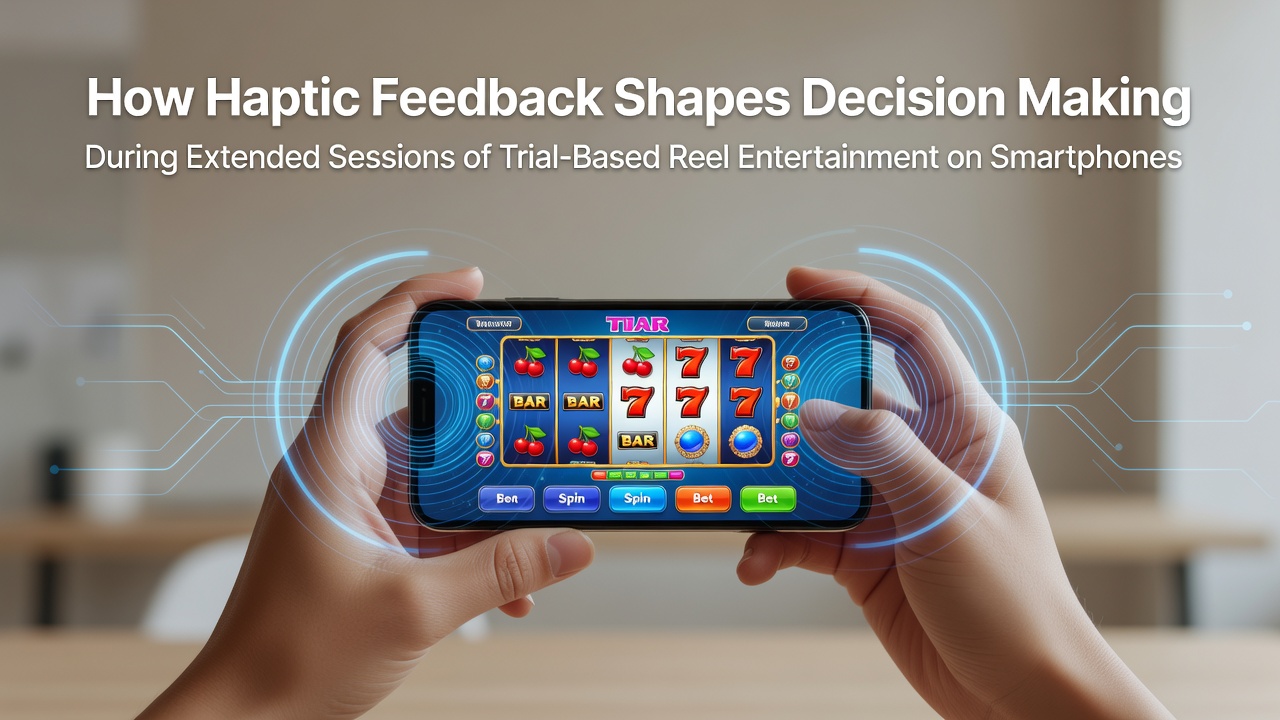
Mechanics of Tactile Responses in Mobile Reel Applications
Smartphone applications featuring spinning reels deliver haptic signals through built-in motors that respond to specific in-app events such as reel stops, symbol matches, and sequence completions, and these signals vary in intensity, duration, and rhythm depending on the programmed design choices made by developers. Research indicates that users encounter these vibrations during trial modes where no financial transactions occur, and the feedback loops create immediate physical sensations that accompany visual animations on the screen. Data from device usage logs shows that sessions extending beyond thirty minutes often accumulate dozens of distinct haptic events, each calibrated to maintain user attention without overwhelming the hardware capabilities of typical consumer phones.
Patterns Observed in Prolonged Interaction Periods
Observers note that decision points arise when users select between continuing a current reel sequence, adjusting bet levels in demo environments, or exiting the application entirely, and haptic cues frequently coincide with these moments. Studies conducted across multiple regions reveal that consistent vibration patterns correlate with extended dwell times on particular screens, whereas irregular or intense pulses sometimes prompt quicker navigation choices. Figures released in July 2026 from a collaborative project involving Canadian and Australian research institutions highlight that participants in controlled trials spent an average of 18 percent more time reviewing outcomes when haptic intensity matched visual reel speed.
Those who have examined session recordings find that cumulative exposure to repeated tactile stimuli can shift attention allocation, directing focus toward immediate reel results rather than broader session metrics such as total spins completed. This redirection occurs because the physical sensation arrives synchronously with on-screen changes, reinforcing the visual information through an additional sensory channel.
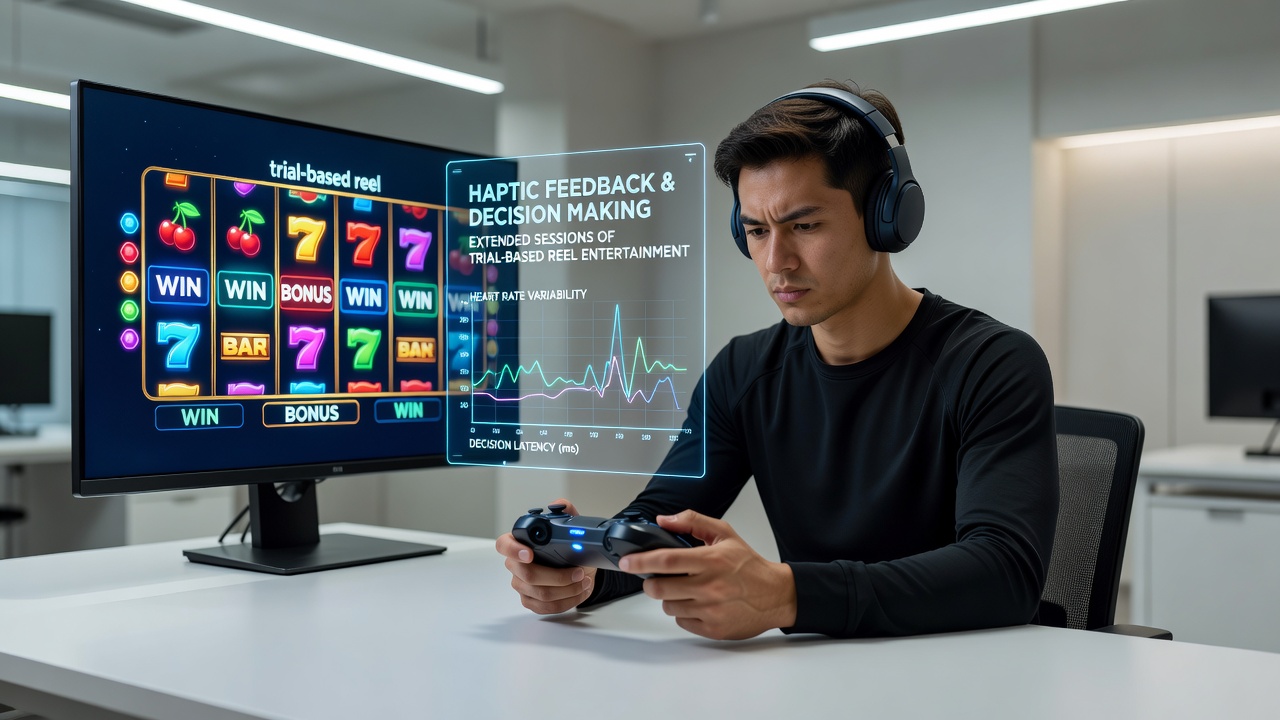
Evidence from Controlled Examinations
Academic investigations into mobile entertainment applications demonstrate that haptic feedback modifies reaction times at decision junctions, and one analysis published by European university laboratories documented faster confirmation clicks when vibrations accompanied successful reel alignments. The same analysis recorded slower deliberation periods when feedback remained absent or mismatched the visual outcome. Data collected through wearable sensors during these sessions indicates elevated skin conductance levels following sequences of strong haptic pulses, suggesting heightened physiological engagement that persists across successive trials.
What's interesting emerges when comparing different phone models, because hardware variations in motor strength produce distinct feedback profiles, and users on devices with stronger actuators tend to register more pronounced shifts in their choice patterns during sessions lasting over one hour. Industry reports from gaming associations in Asia confirm that developers adjust haptic parameters based on regional device popularity to achieve consistent user responses across markets.
Integration with Visual and Auditory Elements
Reel entertainment applications combine haptic signals with graphics and sound to form multisensory events, and researchers discovered that synchronized layers increase the likelihood of users selecting repeat spin options rather than pausing for reflection. According to findings from a North American psychology department study, the addition of targeted vibrations raised the rate of consecutive actions by measurable margins when compared against audio-visual only conditions. Sessions that incorporate varied haptic textures for different reel outcomes allow users to develop intuitive associations, guiding subsequent decisions without requiring conscious analysis of on-screen data.
Yet the effects diminish when sessions stretch into multiple hours, as adaptation to constant stimulation reduces the salience of individual pulses, and users begin to rely more heavily on visual cues alone. This adaptation process appears in longitudinal tracking data where early-session decision distributions differ from those recorded after ninety minutes of continuous play.
Broader Implications for Application Design
Design teams at major mobile entertainment studios incorporate findings from sensory research when calibrating haptic profiles for trial-based reel titles, aiming to balance engagement with user comfort across extended periods. Government agencies in several jurisdictions have begun reviewing accessibility guidelines that address variable sensory sensitivities, prompting developers to include optional intensity settings. Observers note that these adjustments allow wider audiences to participate without experiencing fatigue from prolonged tactile exposure.
One study revealed that participants who customized haptic strength during testing sessions made more varied choices in reel progression compared with those using default settings, indicating that personal control over feedback intensity influences decision diversity. Such findings continue to shape iterative updates released by application providers throughout 2026.
Conclusion
Current evidence establishes clear connections between haptic feedback mechanisms and user decision patterns within extended smartphone reel sessions, with data from multiple international sources confirming measurable influences on session length and choice timing. Continued examination of these interactions supports ongoing refinements in mobile application development while maintaining focus on factual outcomes rather than prescriptive recommendations.