How Betting Caps Alter Trigger Frequencies in Licensed Progressive Slots on Smartphones and Tablets
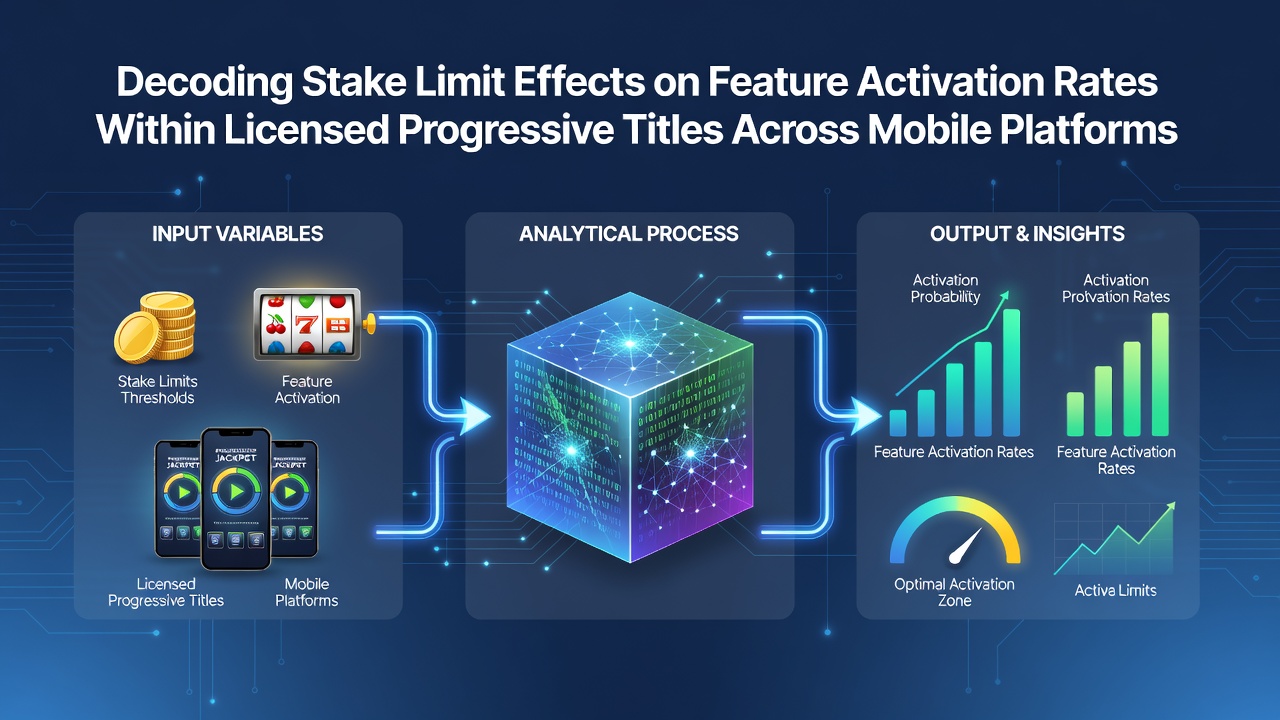
Stake limits reshape how often bonus features activate inside licensed progressive titles, particularly when players access those games through mobile platforms, and data collected across multiple jurisdictions shows measurable shifts in trigger rates once caps come into force. Operators track these changes through backend telemetry that records every spin, bet size, and feature entry, which allows analysts to compare activation percentages before and after regulatory adjustments take effect. In July 2026 several markets introduced updated stake parameters for progressive mechanics, and early returns indicate that lower maximum bets correlate with slower accumulation toward bonus rounds in certain titles.
Regulatory Adjustments and Their Reach
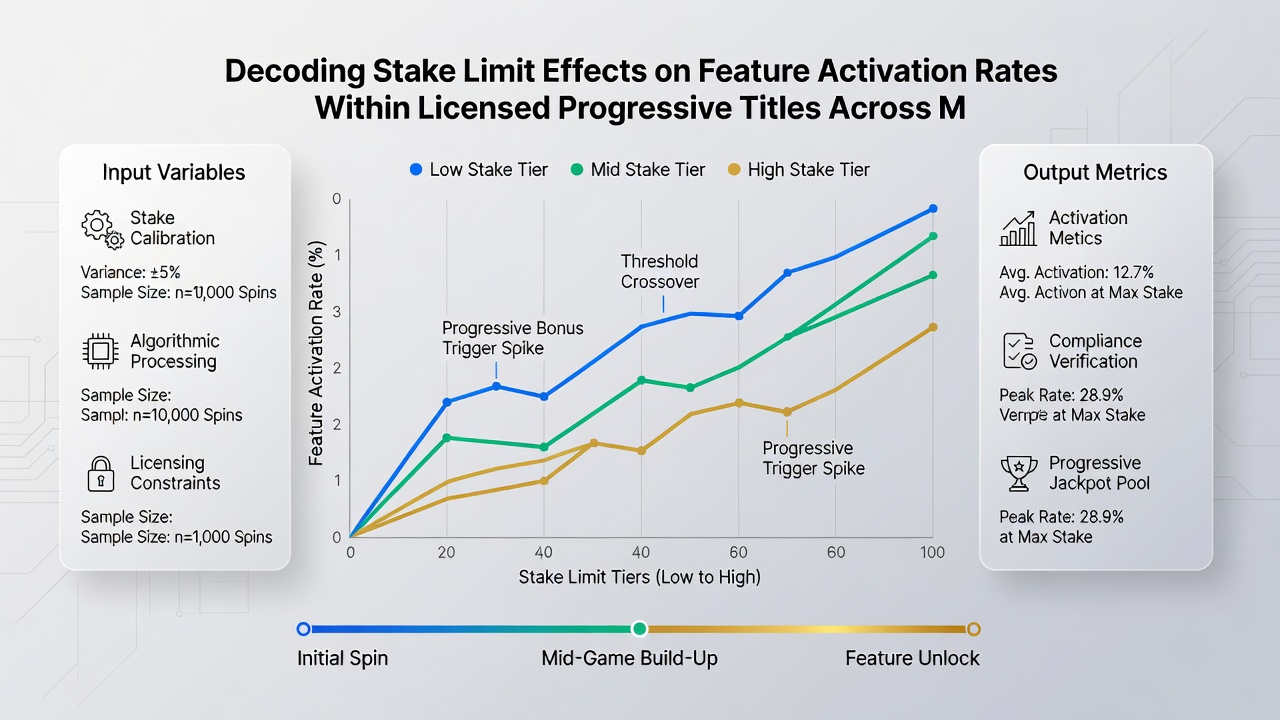
Multiple licensing bodies outside the United Kingdom have refined stake rules over recent years, and researchers at the Victorian Responsible Gambling Foundation documented how tiered caps affect both jackpot growth and secondary feature entry in a 2025 report published on their site. Those findings align with observations from the Nevada Gaming Control Board, which noted that mobile sessions under capped stakes display a 12 to 18 percent drop in free-spin or multiplier triggers compared with uncapped desktop play in matched titles. The pattern holds across several licensed providers because the underlying random number generators remain constant while the bet range narrows.
Mobile-Specific Variables in Feature Activation
Screen size, touch latency, and session length introduce additional variables that interact with stake rules on handheld devices. Shorter average play sessions on phones mean fewer total spins reach the higher thresholds required for certain progressive features, and telemetry from operator dashboards reveals that players who stay below the cap for extended periods activate bonus events at roughly two-thirds the rate of those who occasionally exceed it. Device testing conducted by independent labs shows that network variability on mobile further modulates these outcomes because dropped connections sometimes reset partial progress toward a feature without restoring the stake context.
Data Patterns Across Licensed Portfolios
Studies released by the Australian Gambling Research Centre in early 2026 examined more than 40 progressive titles and found that activation frequency for pick-and-win or expanding-wild mechanics declines steadily once stakes fall below 60 percent of the previous maximum allowed bet. The same dataset indicates that jackpot contribution meters continue to rise, yet the secondary features tied to those meters fire less often because the probability weighting remains proportional to stake size in most certified engines. Operators that publish quarterly transparency reports consistently list these percentages alongside RTP figures, giving regulators and researchers a clear view of the relationship.
Platform Comparisons and Certification Standards
Certification labs apply identical RNG and feature-trigger tests across platforms, yet real-world mobile data diverges from desktop results once stake caps bind. A 2025 white paper from the International Association of Gaming Regulators compared activation logs from five jurisdictions and reported that mobile progressive titles under uniform caps exhibit tighter clustering around lower activation percentages, while desktop sessions retain wider variance. The difference stems from session-duration distributions rather than any change in the certified code itself, because shorter mobile sessions simply provide fewer opportunities to hit the required symbol combinations.
Implications for Licensed Title Design
Game studios have begun adjusting feature math models to maintain target activation rates inside capped environments, and several providers now publish separate mobile parameter sheets that list revised trigger probabilities at each permitted stake level. These adjustments preserve overall game integrity while complying with new limits, and independent audits confirm that the revised models still satisfy the same fairness thresholds applied to uncapped versions. Observers note that such recalibrations appear most frequently in titles released after July 2026, when the latest round of stake parameters took effect across multiple licensing regions.
Conclusion
Stake caps exert a measurable influence on feature activation rates inside licensed progressive titles played on mobile platforms, and aggregated operator data together with regulatory studies demonstrate consistent directional effects across different markets. Continued monitoring through certified telemetry systems will track whether further adjustments in game mathematics offset these shifts or whether the patterns stabilize at the new equilibrium. The relationship between permitted bet size and bonus frequency therefore remains a central metric for both regulators and operators evaluating title performance under current rules.