Exploring Volatility Mechanics That Drive Bonus Triggers in Progressive Jackpot Machines on Mobile Platforms
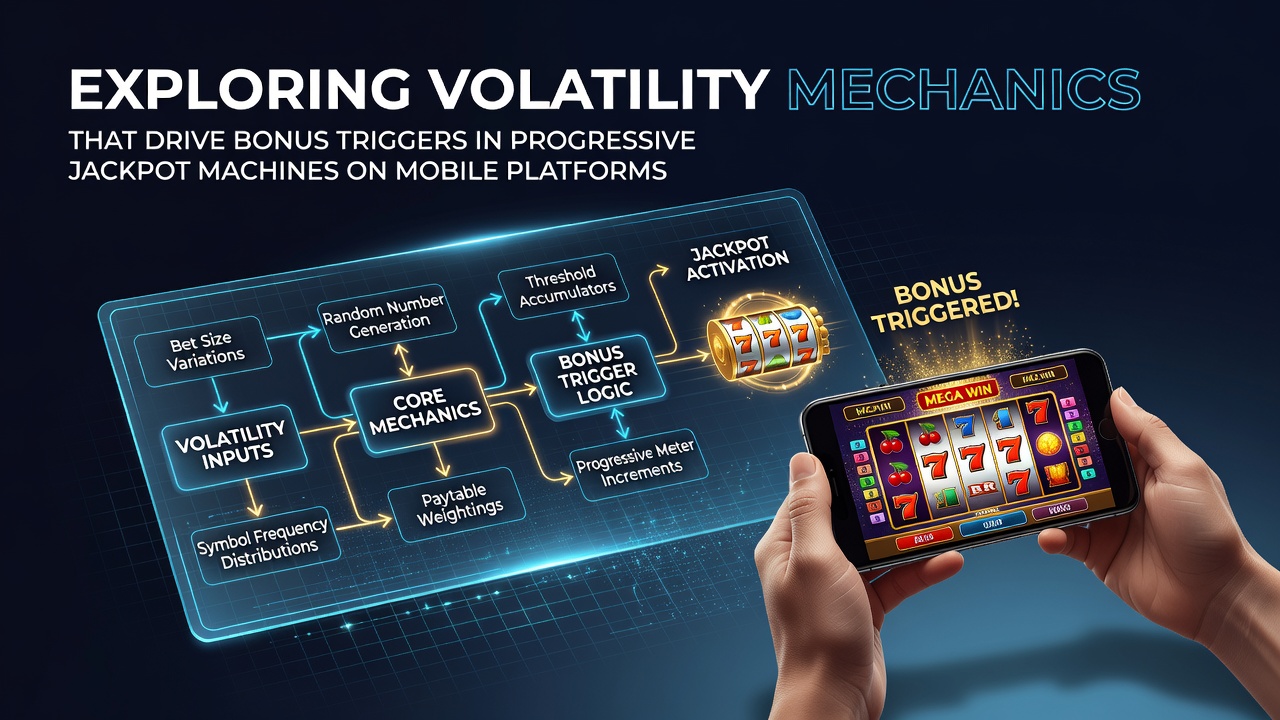
Volatility in progressive jackpot machines operates as a core mathematical framework that shapes how frequently bonus features activate and how prize pools build across connected devices, with mobile platforms introducing additional layers through optimized random number generators and touch-based interactions that respond in real time to player inputs.
High-volatility settings concentrate larger payouts into rarer events, which means bonus triggers like free spin rounds or multiplier chains occur less often yet contribute directly to the escalating jackpot totals that define these games, whereas medium-volatility configurations distribute triggers more evenly to maintain steady engagement without rapid depletion of the progressive pool.
Researchers at institutions such as the University of Nevada, Reno have documented how these volatility tiers integrate with mobile hardware constraints, noting that processors on contemporary smartphones handle the same RNG algorithms used in land-based cabinets while adjusting for lower latency in wireless environments.
Core Components of Volatility Calculation
Game developers establish volatility through weighted symbol distributions and paytable structures, where each reel position receives probability values that determine both base game outcomes and the conditions required to enter bonus states; on mobile platforms these calculations run continuously in the background, updating progressive meters across thousands of simultaneous sessions without visible interruption.
Bonus triggers in progressive titles often tie directly to specific symbol combinations or meter thresholds, and volatility settings control the expected interval between those events so that higher volatility games require more spins on average before a trigger activates while simultaneously increasing the average contribution to the shared jackpot from each wager.
Mobile-Specific Adaptations
Touchscreen interfaces on mobile devices allow for rapid spin initiation and auto-play adjustments that interact with volatility mechanics in distinct ways, since players can maintain longer sessions through one-handed operation and background notifications that alert them when progressive meters reach notable levels.
Software providers optimize animation sequences and sound cues for smaller screens without altering the underlying probability models, ensuring that bonus trigger frequencies remain consistent whether the game runs on a desktop browser or a native app downloaded from app stores.
Data from industry reports compiled in early 2026 indicate that mobile progressive play accounted for a growing share of total handle, with volatility tuning becoming a key differentiator among competing titles as operators seek to balance player retention against jackpot growth rates.
How RNG Integrates with Volatility on Mobile
Random number generators certified by testing laboratories produce the outcomes that feed into volatility formulas, and mobile implementations incorporate additional entropy sources such as device accelerometer data and network timing to enhance unpredictability while preserving the designed trigger rates for bonus features.
Progressive jackpots accumulate through a percentage of each bet allocated to the pool, and volatility determines how often that pool pays out via triggered bonuses rather than standard line wins, creating a feedback loop where infrequent high-volatility triggers allow the jackpot to climb higher before distribution occurs.
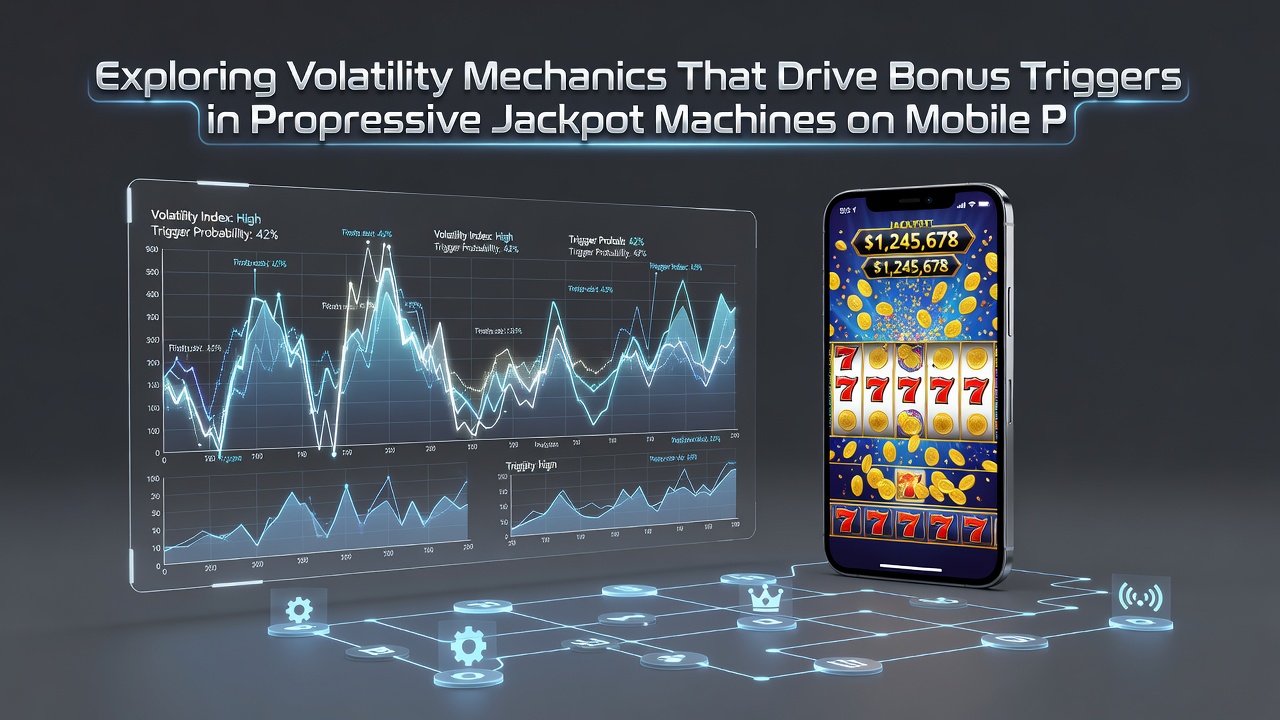
By June 2026 several major gaming jurisdictions outside the United Kingdom had introduced updated technical standards requiring clearer disclosure of volatility ratings within mobile game interfaces, allowing players to view expected trigger frequencies before committing funds.
Bonus Trigger Pathways and Their Volatility Dependencies
Common bonus pathways include scatter symbol collections, wheel spins, and pick-and-click mechanics, each calibrated to a specific volatility band that controls activation probability; high-volatility pathways demand longer collection sequences yet deliver larger contributions to the progressive total upon success.
Observers note that mobile players frequently switch between titles during a single session, and volatility-aware game design helps maintain engagement by matching trigger cadence to session length preferences observed across different device types and connection speeds.
Studies conducted by the Australian Gambling Research Centre have examined how volatility settings influence the distribution of bonus events across large player cohorts, confirming that mobile environments produce statistically similar trigger patterns to desktop play when the same mathematical models are employed.
Practical Implications for Platform Performance
Mobile networks introduce variable latency that operators mitigate through client-side prediction algorithms, yet these adjustments never modify the core volatility parameters or the certified RNG output that governs bonus triggers in progressive machines.
Developers test across multiple handset models to verify that frame rates and touch responsiveness do not create perceived differences in trigger timing, preserving the integrity of the volatility profile regardless of hardware variations.
Conclusion
Volatility mechanics remain central to the operation of progressive jackpot machines on mobile platforms because they directly govern the frequency and scale of bonus triggers that both entertain players and grow shared prize pools. Understanding these relationships helps explain why certain titles sustain larger jackpots while others deliver more frequent but smaller bonus activations, all within the technical constraints of contemporary smartphones and tablets. As regulatory frameworks continue to evolve through 2026, transparent presentation of volatility data within mobile interfaces supports informed participation across global markets.