Digital Wallets Redefine Pathways from Trial Slots to Real-Money Wins in Britain's Online Scene
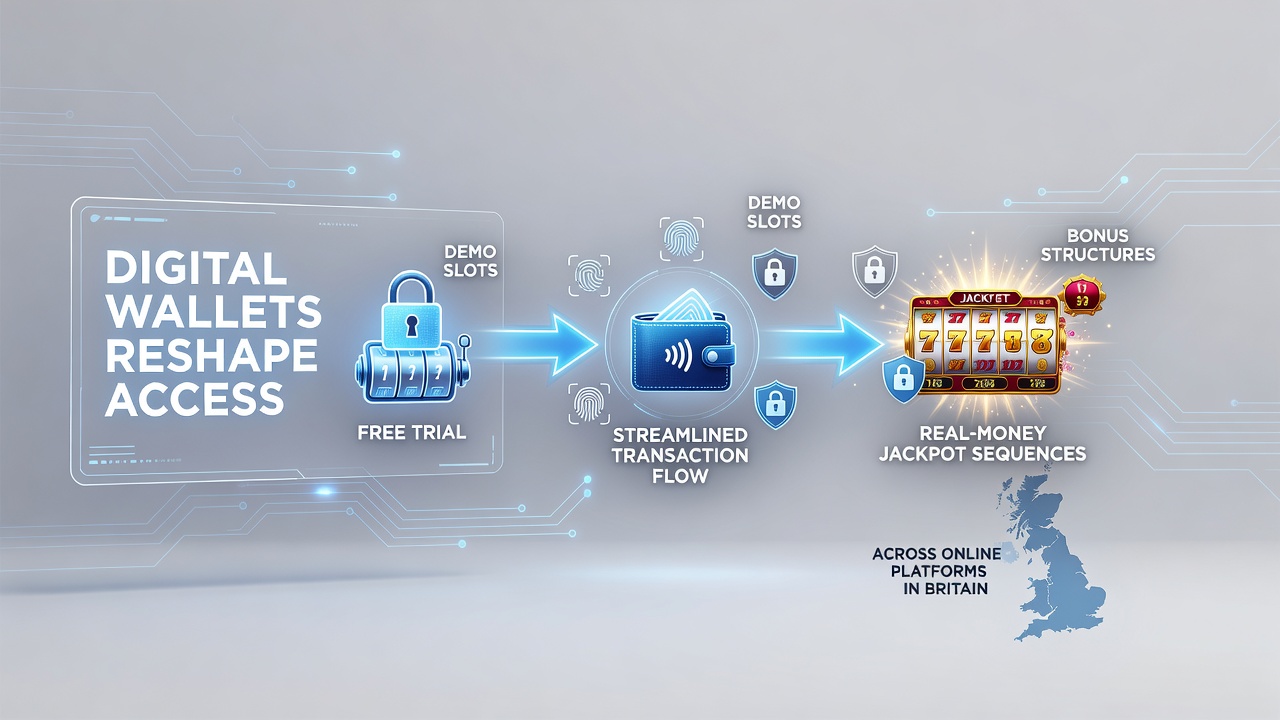
Digital wallets have altered how users engage with online slot platforms across Britain, particularly in the shift from free trial modes to paid sequences that include bonus rounds and jackpot opportunities. These payment tools integrate directly with platform interfaces, allowing account funding without traditional banking delays, and operators report higher volumes of activity in both demo environments and subsequent real-money sessions. Research from industry analysts shows transaction completion times dropping below 10 seconds in many cases, which supports continuous play cycles that begin with no-cost explorations.
Mechanics of Digital Wallet Integration
Platforms incorporate digital wallets such as those based on mobile applications or browser extensions, where users link existing accounts to enable instant transfers. Data indicates these systems handle deposits and withdrawals through encrypted channels that comply with regional standards, and participation metrics from 2025 revealed steady growth in wallet-based funding methods compared to card or bank transfers. Observers note that this setup reduces friction points, allowing players to test slot mechanics in demo formats before committing funds, while the same wallet credentials carry over seamlessly for paid rounds.
Access Patterns in Demo Environments
Demo slots serve as entry points where participants explore game features, volatility levels, and bonus triggers without financial risk, and digital wallets accelerate the move from these trials into real sequences. Figures from platform analytics indicate that users who fund accounts via wallets after demo sessions complete transitions 40 percent faster than those using other methods, leading to increased engagement with progressive jackpot structures. In June 2026, several operators updated their interfaces to highlight wallet options immediately after demo completion, which aligned with broader trends in transaction efficiency reported by European gaming associations.
Those who track user behavior observe that wallet systems preserve session continuity, so any accumulated demo progress or learned patterns translate directly when real stakes begin. This flow supports structured exploration of bonus features like free spins or multipliers before players enter jackpot-eligible modes.
Bonus Structures and Transaction Efficiency
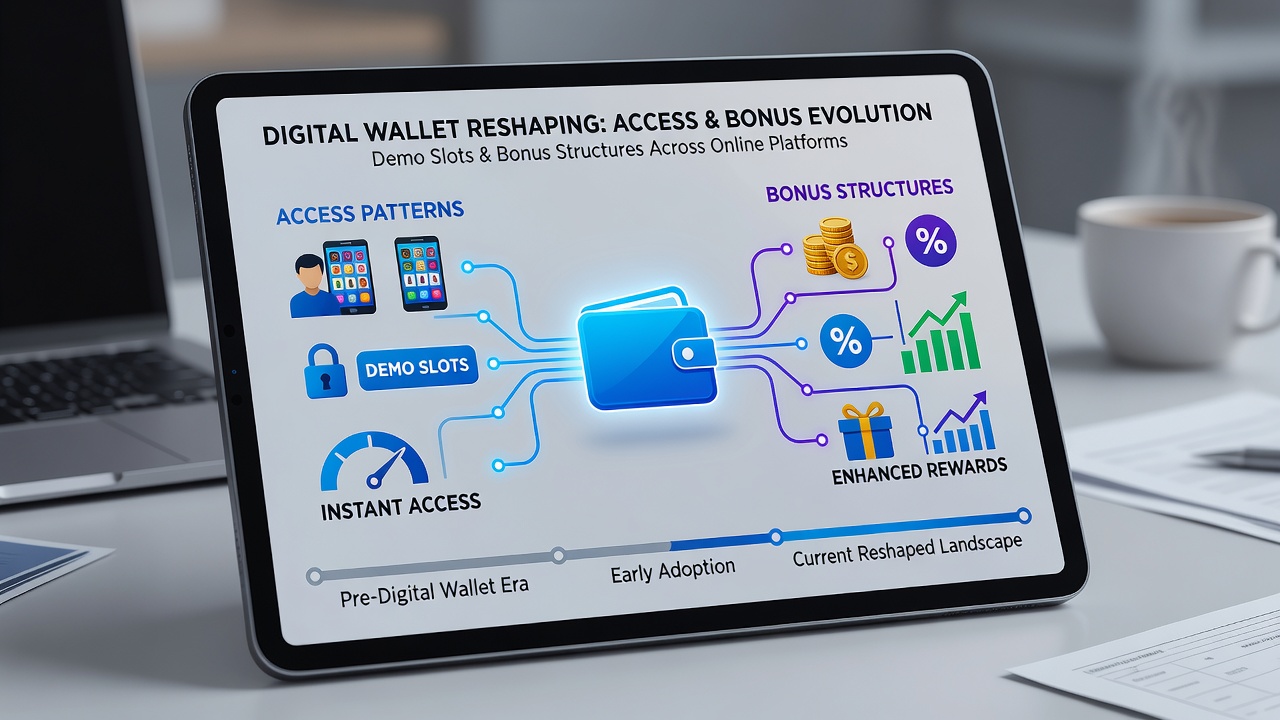
Bonus structures on British platforms often tie promotional credits or deposit matches to specific funding sources, and digital wallets qualify under many operator terms because of their verified transaction histories. Reports from gaming research institutions, including studies conducted through the University of Nevada's International Gaming Institute, highlight how wallet-enabled deposits correlate with higher bonus redemption rates since funds arrive ready for immediate use. Players move from trial play into sequences where bonuses activate automatically once a minimum wallet transfer registers, creating direct pathways to jackpot accumulation rounds.
Operators structure these incentives so that wallet transactions trigger layered rewards, such as additional spins unlocked after the first real-money spin or scaled jackpot contributions based on deposit size. Evidence suggests these mechanics maintain platform compliance while encouraging progression from free trials, and participation data shows consistent uptake across mobile and desktop formats.
Regional Context and Platform Adaptations
British online environments have seen operators adjust interface designs to prioritize wallet visibility, placing funding prompts within demo dashboards for quicker access. This adaptation reflects patterns observed in other markets, where similar tools from providers in Canada and Australia have influenced transaction standards, though British implementations focus on localized jackpot networks. A 2026 industry overview from the European Gaming and Betting Association noted rising wallet adoption rates tied to improved mobile compatibility, which supports extended play sessions that bridge demo and paid content.
Security protocols embedded in these wallets include multi-factor authentication that activates during each transfer, and platform logs record these steps to ensure traceability without interrupting user flow. Such measures allow the transition from trial slots to real-money jackpot sequences to occur within a single continuous interface experience.
Conclusion
Digital wallets continue to shape how British platforms manage the progression from demo slots into bonus-activated and jackpot-focused play, with transaction data showing sustained integration across operator systems. These tools maintain verifiable funding paths that align with existing regulatory frameworks, supporting the documented increase in seamless access patterns throughout 2026. Platform metrics and external analyses confirm that streamlined wallet flows remain central to current access and bonus delivery models.