Digital Routes Linking Trial Interfaces to Layered Prize Systems on Mobile Gaming Platforms
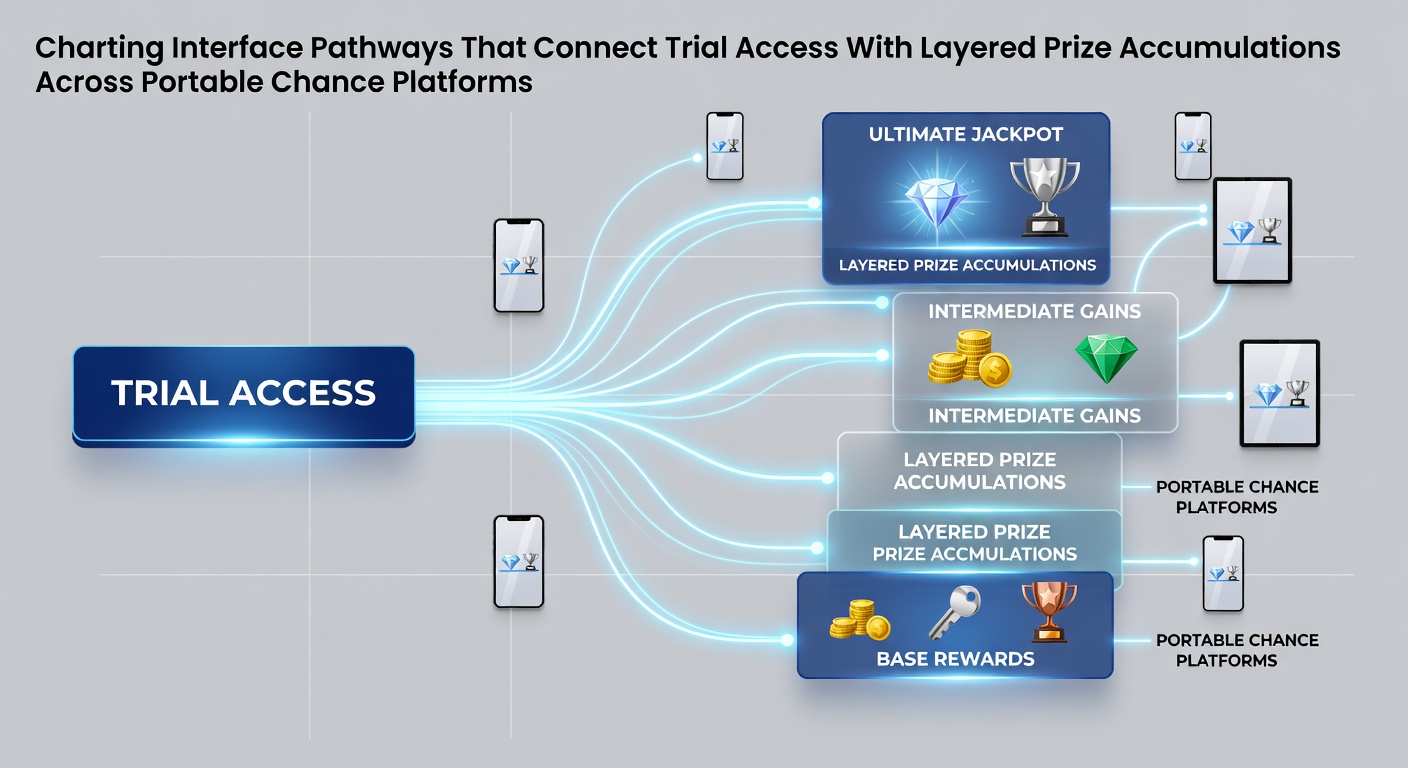
Interface designs on portable chance platforms create direct connections between trial access points and systems that accumulate prizes across multiple layers, allowing users to move from free demonstrations into environments where rewards build progressively. Data from regulatory reports in various jurisdictions show that these pathways rely on standardized navigation elements such as menu structures, balance indicators, and transition buttons that maintain consistency across devices.
Core Elements of Trial Access Pathways
Portable platforms organize trial modes through dedicated entry points that mirror the layout of real-money versions, which means users encounter identical reel layouts, paytable access, and feature triggers during practice sessions. Research from the Nevada Gaming Control Board indicates that such mirroring reduces the steps required when switching modes, since the same gesture controls and screen regions handle both trial spins and funded play. Observers note that this consistency appears in applications released after platform updates scheduled for May 2026, where developers integrated unified login systems that carry progress markers from one mode to another without requiring separate accounts.
Layered prize accumulations begin once trial sessions record data on feature activations and symbol combinations. These records feed into backend systems that calculate eligibility for bonus rounds or progressive meters when real funds are introduced. Figures from the New Jersey Division of Gaming Enforcement reveal that platforms using shared data logs between trial and paid modes report higher rates of continued engagement after the initial transition, because accumulated statistics carry forward rather than resetting.
Technical Structures Supporting Prize Layering
Accumulation mechanics operate through server-side tracking that assigns values to user actions performed in trial environments. When a player activates a free spin sequence that hits specific thresholds, the system logs those results and applies them to visible progress bars or meter displays that persist into real-money sessions. Industry reports from Gambling Research Australia highlight that this method allows multiple prize layers, including base game multipliers, feature unlocks, and jackpot contributions, to build simultaneously without requiring users to restart tracking upon funding an account.

Developers implement these connections using application programming interfaces that link front-end trial modules with backend reward engines. The interfaces display real-time updates on prize layers through visual elements such as filling meters and expanding bonus panels, while the underlying code ensures that trial-generated data remains compatible with funded gameplay rules. Studies conducted by researchers at the University of Nevada, Las Vegas, found that platforms employing these API connections maintain data integrity across device types, which supports uninterrupted progression from trial phases into prize accumulation stages.
Regional Platform Developments Around May 2026
Platform launches planned for May 2026 incorporate refined navigation that further streamlines the movement between trial access and layered prize displays. European operators adopting updated frameworks from the Malta Gaming Authority have introduced single-tap transitions that preserve accumulated statistics, allowing prize meters to continue building without interruption. Canadian provincial regulators have documented similar patterns in applications released during the same period, where interface updates reduced the number of confirmation screens between modes.
These changes align with broader industry shifts toward unified user experiences that treat trial data as an integral component of the overall prize structure. External analyses from the European Gaming and Betting Association show that such integration appears most frequently in applications optimized for portable devices, where screen real estate limits the ability to separate trial and paid functions into distinct sections.
Conclusion
Interface pathways on portable chance platforms connect trial access directly to systems that accumulate prizes across multiple layers through consistent navigation design, shared data tracking, and synchronized visual indicators. Regulatory data from multiple regions confirm that these connections function through standardized technical structures that carry information forward when users move from demonstration to funded play. Platform updates scheduled around May 2026 continue to refine these routes by reducing transition steps and maintaining progress markers across device types.