Charting Volatility Curves That Dictate Feature Unlock Rates Across Device-Based Reel Simulations
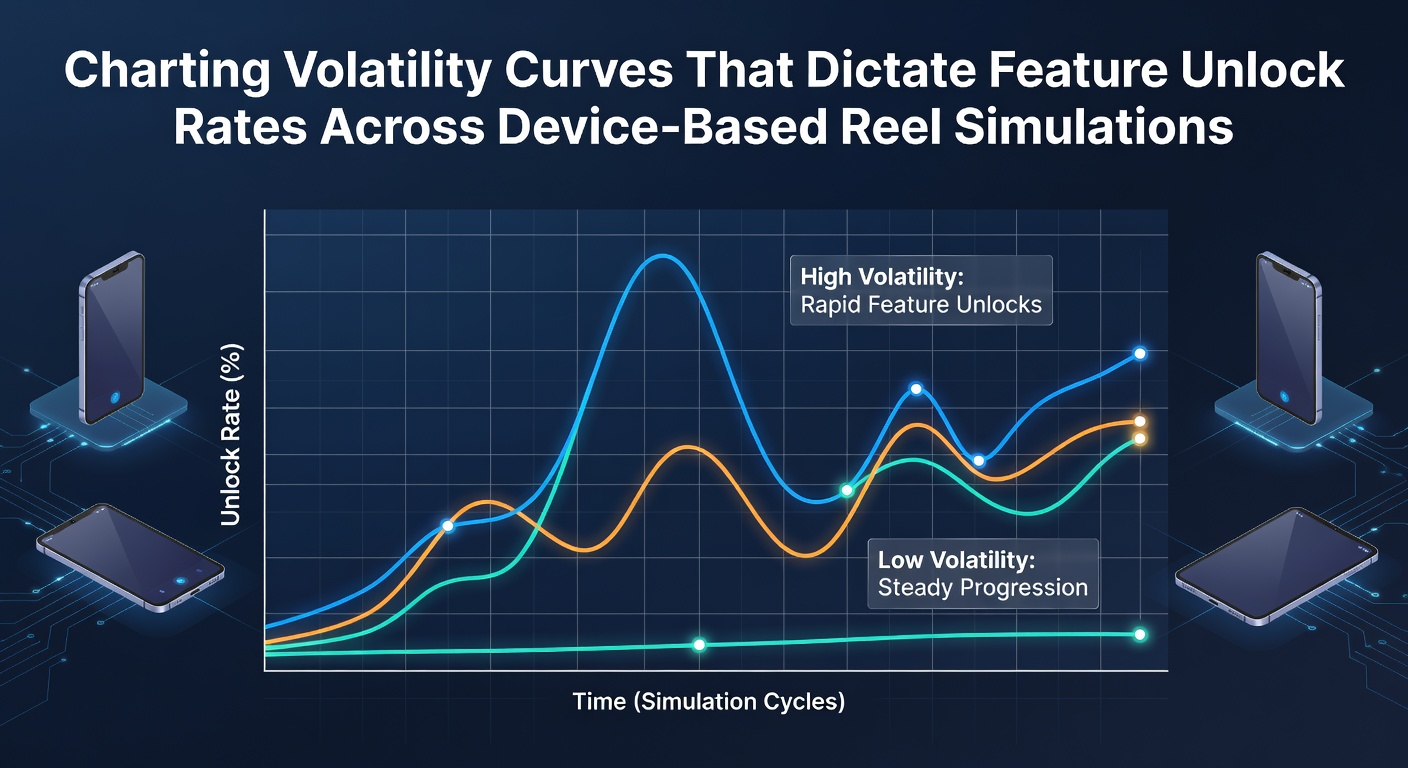
Volatility curves map the probability distribution of outcomes in slot mechanics, and these curves directly shape how often bonus features activate during reel simulations on phones, tablets, and desktop platforms. Data from simulation engines shows that high-volatility profiles produce infrequent yet substantial feature triggers, whereas low-volatility profiles generate steadier but smaller unlock events, and developers adjust these curves to match device-specific processing constraints.
Core Components of Volatility Measurement
Researchers define volatility through standard deviation calculations applied to payout distributions, and they plot these values against hit frequency metrics to create visual curves that predict feature activation thresholds. When a simulation runs across hardware with varying clock speeds, the curve remains mathematically constant because random number generators operate server-side, yet the rendered sequence of reel stops can appear accelerated or delayed depending on device rendering pipelines.
Simulation logs collected in controlled environments reveal that curves with steeper slopes correlate to lower base-game hit rates but higher concentrations of scatter symbols in bonus windows, and this pattern holds steady across operating systems when the underlying algorithm stays unchanged.
Device-Specific Simulation Dynamics
Mobile processors handle reel calculations through optimized graphics libraries, and these libraries sometimes introduce micro-variations in animation timing that affect how players perceive unlock sequences, although the actual feature trigger probabilities stay fixed by the server. Tablet devices with larger caches process multi-reel interactions faster during cascade sequences, which allows more simultaneous symbol evaluations per spin cycle and produces smoother curve visualization in diagnostic tools.
Desktop environments equipped with dedicated graphics cards run parallel simulations for testing purposes, enabling engineers to overlay multiple volatility curves on the same chart and compare unlock rates for progressive features under identical random seeds. Observers note that cross-device testing completed in early 2026 confirmed consistent curve behavior, with only presentation layers differing by hardware capability.
Mapping Feature Unlocks to Curve Positions
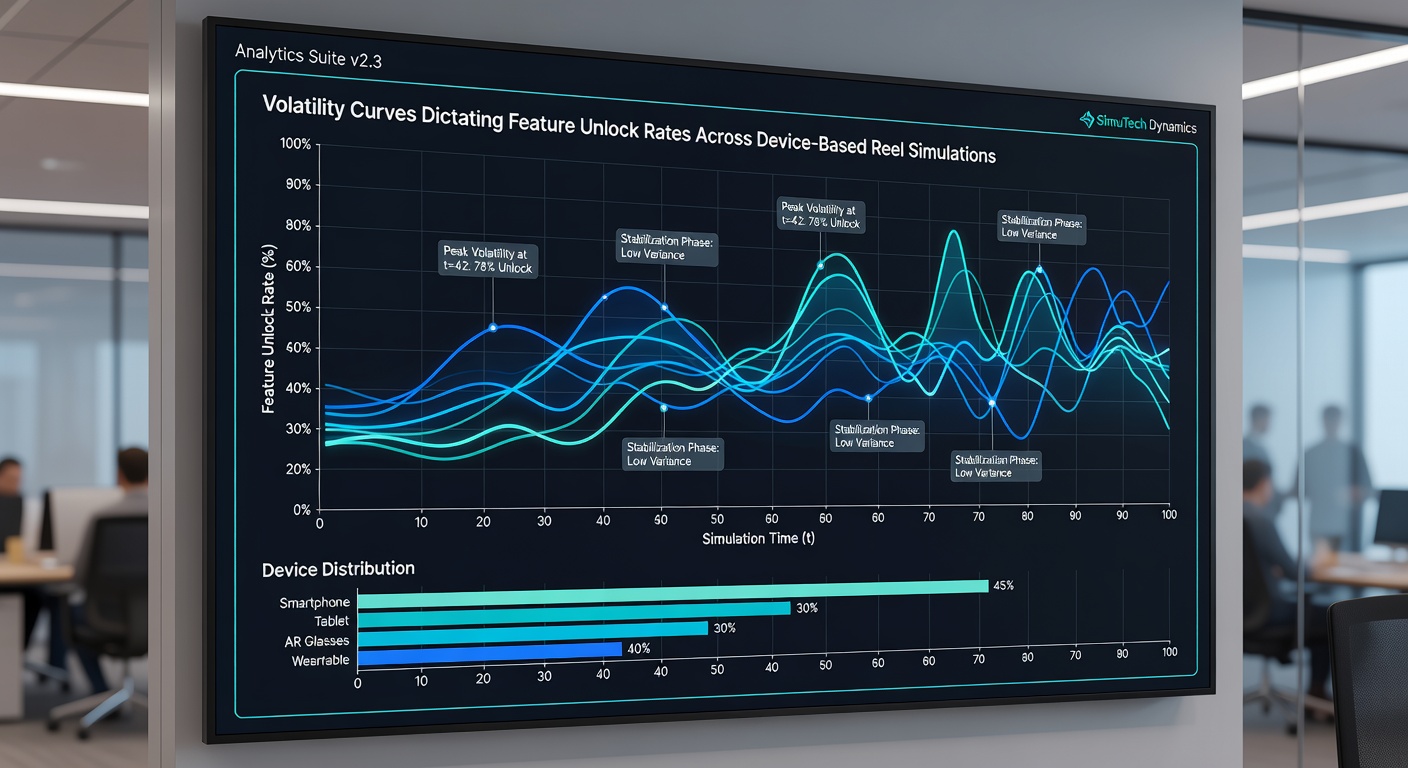
Feature unlocks such as free-spin rounds or multiplier ladders sit at specific points along the volatility curve, and developers calibrate these positions by adjusting reel strip compositions and symbol weights. A curve that peaks early in the distribution tends to unlock wild expansions more frequently during base play, while curves that rise later concentrate unlocks inside dedicated bonus modes that require multiple qualifying symbols.
Analysis of simulation datasets indicates that device screen resolution influences only the display density of reel symbols, not the mathematical placement of unlock thresholds, and this separation keeps regulatory compliance intact across markets. Engineers use heat-map overlays on volatility charts to highlight zones where feature activation rates exceed baseline expectations, and these maps help identify whether a particular curve segment requires rebalancing before deployment.
Practical Charting Techniques in Use
Teams generate volatility curves by running batches of one million simulated spins on each target platform, then they aggregate results to produce percentile rankings for every possible feature combination. Software suites plot these rankings as continuous lines rather than discrete points, which allows analysts to interpolate unlock probabilities between tested values and predict behavior under untested conditions.
According to findings shared through the University of Nevada gaming mathematics program, curve smoothness directly influences perceived fairness because jagged profiles create noticeable streaks of non-unlocks that players interpret as system bias, even when aggregate probabilities remain correct. Another report from the Canadian Gaming Association highlights how standardized testing protocols now require volatility documentation for every new title released after May 2026, ensuring consistent curve presentation regardless of the hardware used for final verification.
Integration With Broader Game Design
Reel simulations feed live data back into volatility models during quality assurance cycles, and this feedback loop lets designers shift curve inflection points without rewriting core random algorithms. When a new device generation enters the market, simulation teams rerun baseline tests to confirm that unlock rates for stacked symbols and expanding wilds continue to align with the published curve, thereby avoiding discrepancies that could affect player retention metrics.
Case records from testing facilities show that a single curve adjustment in the medium-volatility range can alter bonus round frequency by several percentage points while leaving base-game return-to-player figures untouched, and such targeted changes are documented thoroughly before any public release.
Conclusion
Volatility curves serve as the central reference for predicting feature unlock behavior in device-based reel simulations, and the data generated from these curves supports consistent performance across mobile, tablet, and desktop environments. Continued refinement of charting methods, combined with hardware-agnostic random generation, maintains mathematical integrity while accommodating evolving device capabilities through 2026 and beyond.